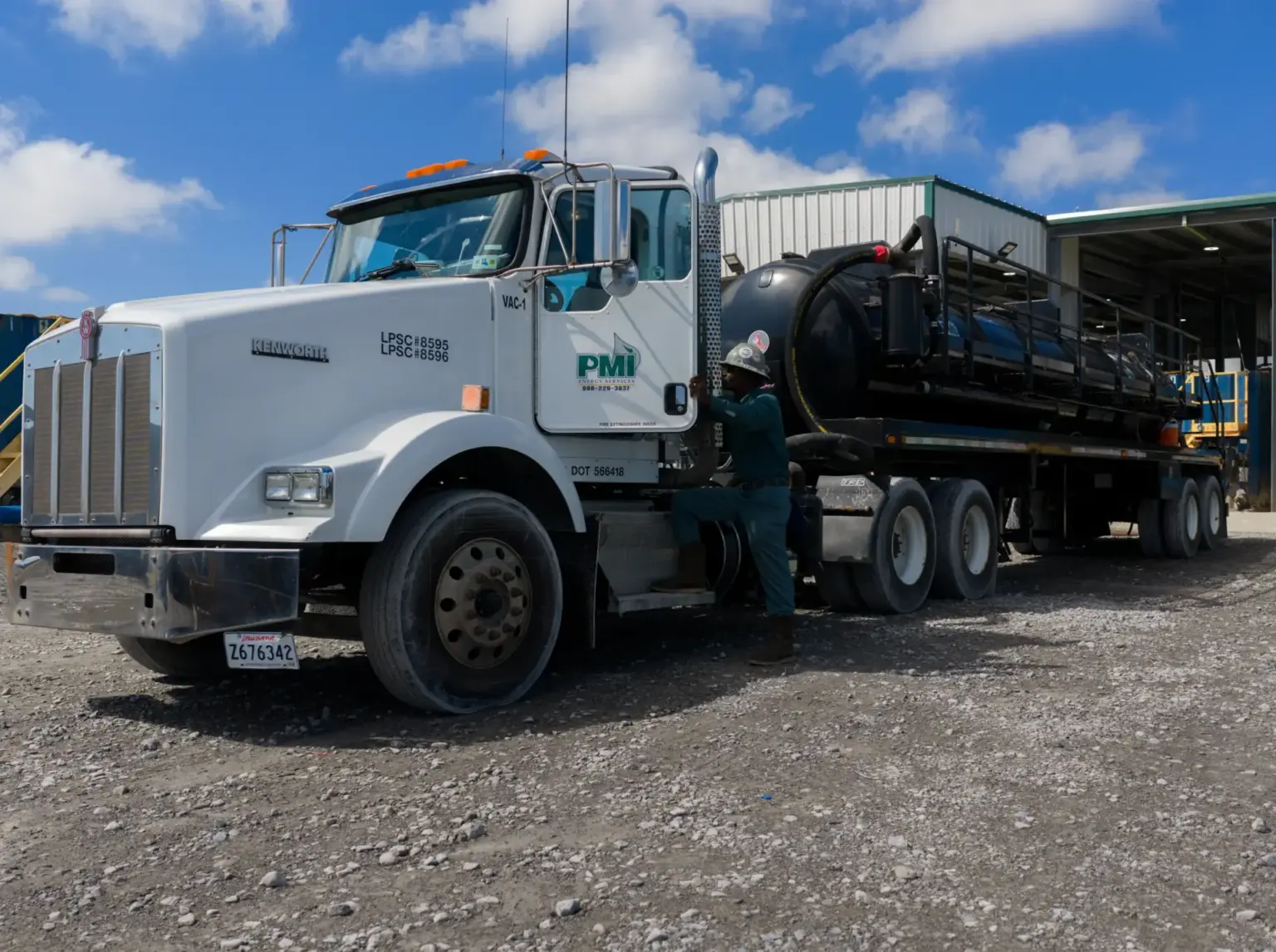
Preparing a Storage Tank for API 653 Internal Inspection: The Cleaning Checklist
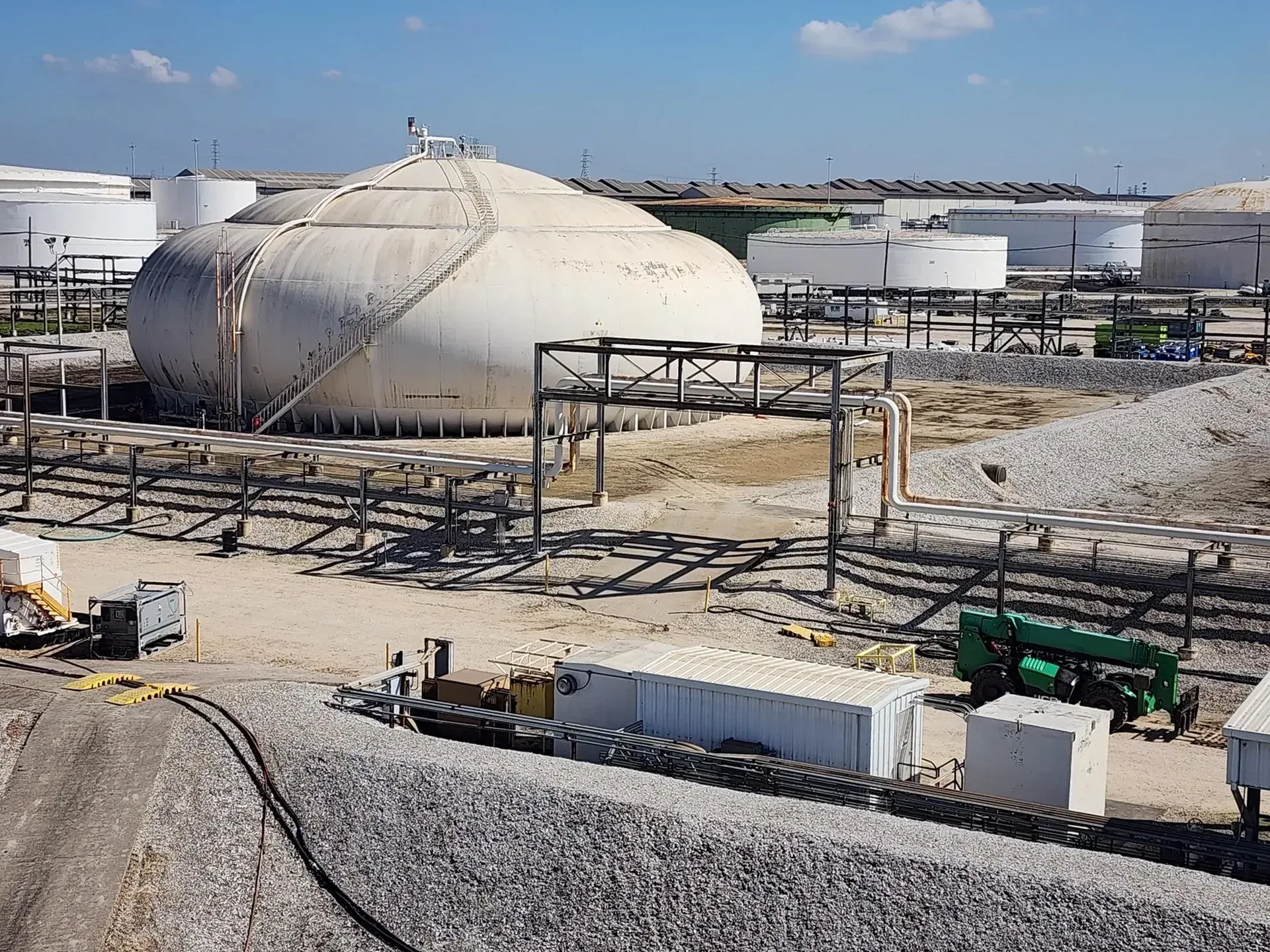
An API 653 internal inspection cannot start until the tank is empty, degassed to a safe-entry atmosphere and cleaned down to the steel the inspector needs to see. That cleaning is the longest and least predictable part of the outage, so it ends up setting your inspection schedule. This checklist walks the out-of-service sequence in order, lists what the inspector needs on day one, and shows how long a real job takes.
Why the Cleaning Sets the Inspection Schedule
API 653 sets internal inspection intervals from the tank’s corrosion rate and safeguards, and the internal inspection needs the tank out of service. EPA’s inspector guidance describes the usual out-of-service work: scanning the floor, testing the floor welds, thickness readings and settlement measurements. All of it needs a clean, safe tank.
The inspector and the testing crew are booked against a date. The cleaning has to finish ahead of it, and it is the one phase where the schedule can slip for reasons nobody planned.
The Out-of-Service Sequence, in Order
Each step makes the next one safe, so the order matters. This follows the procedure PMI’s crews work to on terminal tanks.
- Pin the roof legs. On a floating roof tank, the legs are pinned in the high-roof position before pump-down. Photograph the original leg positions so they go back the same way when the tank returns to service.
- Pump down and recover product. Pump the tank as low as the suction allows, then vacuum out what is left. Agree before the crew arrives where recovered product goes, because it is your inventory.
- Isolate. Double block and bleed, with blinds installed under lockout and tagout. Every work group verifies the isolation before personal locks go on.
- Remove sludge and bottoms. Nozzles go in through the top manway while the crew stays outside on supplied air, and the liquefied material is pumped to a waste frac tank.
- Degas. A thermal oxidizer connects to a top flange, readings are logged every 30 minutes, and degassing ends at a confirmed reading under 5 percent LEL.
- Ventilate from outside. Nozzles at the bottom manway move remaining sediment, and a blower pulls fresh air through the tank, all before anyone enters.
- Test the air and enter. The entry permit is signed first, the air is tested for oxygen, then combustible gas, then toxics, and an attendant stays outside the whole time anyone is in.
- Final wash-down. The crew vacuums out the last sludge, blasts the walls and floor with hot or cold water, and washes the tank with detergent. The terminal and the crew walk the tank together before anything is rigged down.

What the Inspector Needs on Day One
The finish is set by your scope. Most terminals spell out the cleaning standard in the request for proposal, and PMI works to it. The usual standard is a floor washed and squeegeed, with extra spot cleaning at weld seams or areas the inspector marks on request. Ask your inspector what each area needs and put the answer in the scope before the crew mobilizes.
A typical scope asks for:
- a floor free of sludge and standing water, with weld seams, lap joints and the shell-to-bottom joint exposed
- sumps and low points emptied and cleaned
- on a floating roof tank, both seals cleaned without damaging the fabric, the wall cleaned about 4 feet above the secondary seal, product cleaned off the underside of the roof (lap welds especially), and legs and columns clean
- the gas-test logs and entry permit status, so the inspector can see what was tested and when
- waste paperwork for every load: lab reports, waste profiles and manifests for tank bottoms, wash water, oily rags and contaminated PPE
How Long It Takes: A Recent Example
PMI recently cleaned a 142 ft diameter, 40 ft high external floating roof crude tank in about two weeks. The plan for a job that size breaks down like this:
| Phase | Days |
|---|---|
| Mobilization and setup | 1 |
| Pin legs | 1 |
| Product removal | 2 |
| Tank cleaning | 6 |
| Remove pins from legs | 1 |
| Tear down and demobilize | 1 |
| Total | About 12 |
Treat that as an example, not a promise. Tank size, the product it held and how much is left after pump-off all move the number, and so does sludge: scopes often assume a volume and add a change order above it.
The rest of the schedule sits around the cleaning. Isolation needs sign-off from every work group. The degassing unit comes from a third party and has to arrive on time. The vacuum trucks need a disposal site ready to take loads, or the crew waits. A contractor new to your vendor system needs orientation and approvals before anyone touches a hose. Ask for a range from mobilization to handover, not a single day count.

How Automated Cleaning Cuts the Time People Spend Inside
In a conventional clean, people work inside the tank for much of the job. PMI built the RoosterEX in-house to change that. In an above-ground tank the head is fed through the manway on a rail, and one operator can run several cleaning heads from a command center outside the tank. It handles tanks up to 120 ft in diameter through an 18-inch manway or larger, and PMI reports more than a 75 percent cut in on-site personnel.
The machine does the heavy part, removing product and breaking down sludge with nobody inside. When the tank is going to inspection, a crew still goes in for the final pressure wash or scrub, so the inspector gets the finish the scope calls for. Not every tank qualifies: the manways and the tank’s layout decide, and fit is confirmed before anything mobilizes.
Who Does What
PMI cleans terminal tanks and hands them over to the inspection and coating contractors you choose. It does not inspect or coat. Crews usually mobilize within 24 hours, and if PMI is not yet in your vendor system, the documents your procurement group needs come back within 24 hours. See the full procedure on the AST & Terminal Cleaning page and PMI’s work for storage tank terminals.
To plan your outage, send the tank size, the last product, the date your inspector is booked and your window. Request a Quote, or call dispatch at 888-229-3837, staffed 24/7/365.
Frequently Asked Questions
How Often Does a Storage Tank Need an API 653 Internal Inspection?
The first internal inspection is due within 10 years of initial service unless safeguards allow longer. After that, intervals follow the corrosion rate and are capped at 20 years without a release prevention barrier or 30 years with one, unless a risk-based assessment sets them. Pipeline breakout tanks cannot use API 653’s risk-based procedure (section 6.4.3) under 49 CFR 195.432. Check the edition your inspector works to.
Does the Tank Have to Be Completely Clean for the Inspection?
It has to be clean enough for the inspector’s methods, which vary. A floor washed and squeegeed is the usual standard, with spot cleaning where the inspector needs it. Agree the finish in the scope before the crew mobilizes.
What Is the Difference Between API 653 and API 2015?
API 653 covers tank inspection, repair, alteration and reconstruction. API Standard 2015 covers safe entry and cleaning of petroleum storage tanks. The cleaning contractor works to the second so the inspector can work to the first.
Does PMI Perform the API 653 Inspection?
No. PMI cleans the tank and hands it over so your inspection and coating contractors start on schedule.
What LEL Reading Means the Tank Is Safe to Enter?
The entry permit and an air test decide that, in the order OSHA’s confined space rule (29 CFR 1910.146) sets: oxygen, then combustible gas, then toxics. PMI’s procedure treats a confirmed reading under 5 percent LEL as the end of degassing.
Can a Storage Tank Be Cleaned Without Anyone Entering It?
The bulk of it often can. RoosterEX removes the product and sludge while the crew stays outside. A tank going to an API 653 inspection still needs a crew inside for the final wash, and that entry runs under the full confined space permit.
Sources
- U.S. EPA, SPCC Guidance for Regional Inspectors, Chapter 7 (December 2013): API 653 intervals and out-of-service inspection methods
- 49 CFR 195.432, Inspection of in-service breakout tanks
- 29 CFR 1910.146, Permit-required confined spaces (OSHA)
- API Standard 2015, Requirements for Safe Entry and Cleaning of Petroleum Storage Tanks (scope and contents)
- API, API 653 Aboveground Storage Tank Inspector certification (title of API Standard 653)
- PMI: AST & Terminal Cleaning, Storage Tank Terminals, RoosterEX